
Tarihi Bir Dönüm Noktası: Bulgaristan 2026'da Avro Bölgesi'ne Giriyor
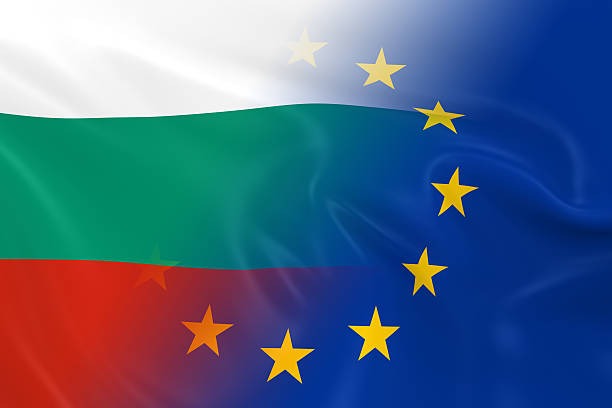
From today, January 1, 2026, the euro officially replaces the lev as Bulgaria’s national currency, making the country the 21st member of the eurozone. The move marks a major milestone in Bulgaria’s European integration and is seen by institutions as a path toward greater economic stability, predictability, and long-term development within the European Union.
The process reached its decisive phase on February 25, 2025, when Bulgaria requested extraordinary convergence reports from the European Commission and the European Central Bank. On June 4, the assessments confirmed that the country met all nominal criteria, including public finance stability, long-term interest rates, price stability, and exchange rate requirements. The final political approval came on July 8, 2025, when the EU Council for Economic and Financial Affairs and the European Parliament gave their formal consent for Bulgaria’s eurozone entry as of January 1, 2026.
With this decision, Bulgaria completes a commitment stemming from its EU Accession Treaty, signed on April 25, 2005, and effective since EU membership began on January 1, 2007. The country had already taken an important intermediate step by joining the EU Banking Union on October 1, 2020.
The adoption of the euro automatically ends the currency board regime introduced on July 1, 1997, following the hyperinflation and banking collapse of 1996–1997. The fixed exchange rate of 1 euro = 1.95583 leva remains binding and applies uniformly to all institutions, businesses, and citizens, ensuring equal conversion conditions and eliminating the risk of arbitrary devaluation.
During January 2026, both euros and leva may be used for cash payments, although change will be given only in euros, except in cases of insufficient availability. From February 1, 2026, the euro becomes the sole legal tender, while lev banknotes and coins will continue to be exchangeable.
All bank accounts in Bulgaria, including current, savings, and deposit accounts, as well as loans, will be converted automatically and free of charge on January 1, 2026. IBAN numbers remain unchanged, and from that date onward, all card payments and cash withdrawals will be made exclusively in euros.
Until June 30, 2026, all banks and post offices in locations without bank branches will exchange leva into euros at the fixed rate without fees. Post offices will allow exchanges of up to 1,000 leva per person per day without prior notice, while amounts between 1,000 and 10,000 leva will require advance requests. After June 30, banks and post offices may introduce fees, and after December 31, 2026, they may discontinue the service entirely. The Bulgarian National Bank, however, will exchange leva into euros indefinitely and free of charge through its offices and designated cash service centers in Sofia, Plovdiv, Burgas, Varna, and Pleven.