Bulgaristan Cumhurbaşkanının Yeni Yıl Konuşması: Euro'ya Giriş Tarihi Bir Adıma İşaret Ediyor Ama Derin Çatlağı Ortaya Çıkarıyor
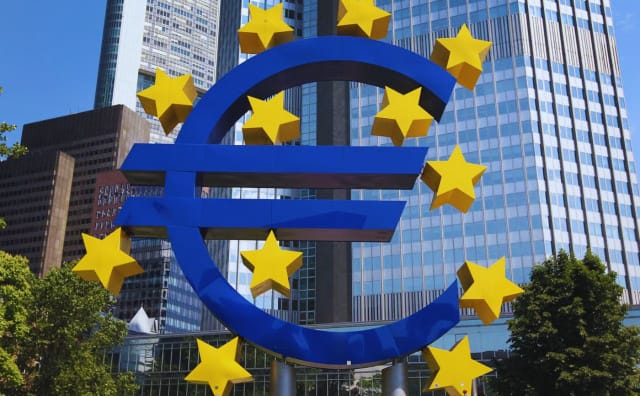
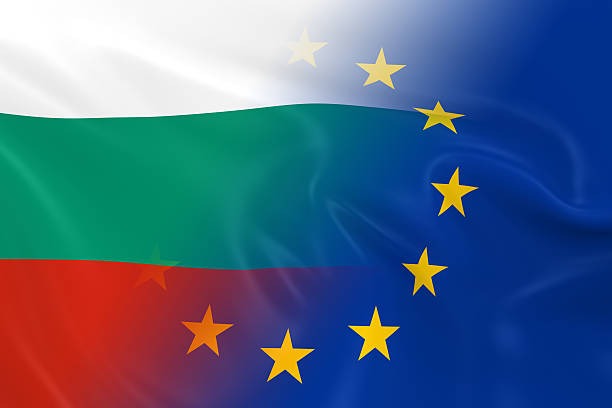
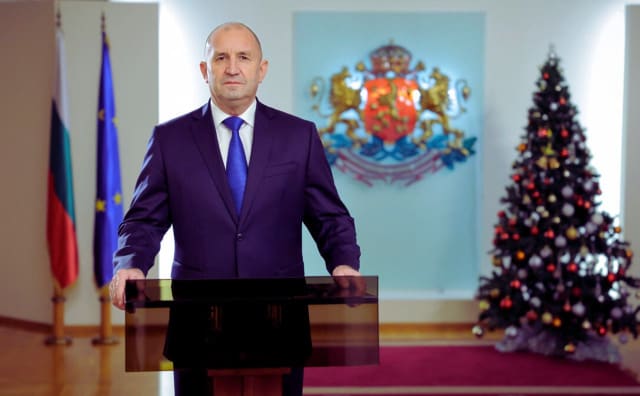
President Rumen Radev described Bulgaria’s decision to adopt the euro as a strategic move taken at a highly contentious moment, speaking in his New Year’s address shortly before the country entered 2026. According to the head of state, the change of currency marks the final stage of Bulgaria’s integration into the European Union, a place he said the country has earned through its long history, culture and civilizational contribution. At the same time, Radev stressed that such a step should have been preceded by a referendum, arguing that the refusal to consult citizens deepened an already serious divide between the political elite and society.
Radev said this disconnect was clearly exposed by the mass protests seen across the country. In his words, the demonstrations “punished the arrogance of the rulers” and reflected accumulated anger over corruption, inflation, institutional arbitrariness and what he described as an unfair political and economic model. He pointed out that the first state budget drafted in euros became a trigger that brought long-standing dissatisfaction to the surface rather than easing tensions.
Further reading: More Than a Budget Crisis: Bulgaria's Gen-Z Demands a Political Reckoning
The president highlighted the protests as the most significant political development of 2025. He noted that young Bulgarians were no longer focused solely on personal survival or emigration, but were instead asking how they could contribute to the future of the country. At the same time, people who had lived through the transition years also returned to the streets. According to Radev, this led to the emergence of a broad public consensus against entrenched corruption and informal power structures. Attempts to divide this movement along generational or ideological lines, he said, were unsuccessful. “People demanded democracy, justice, fair elections, objective media, a real European perspective and a dignified life,” he stated.
Looking ahead, Radev reminded citizens that parliamentary elections are approaching, followed later in the year by a presidential vote. He called on society not to repeat past mistakes or waste the civic energy that had emerged from the protests. “It is up to us to stop going around in circles,” he said, expressing confidence that Bulgaria has the capacity to restore democratic standards and move forward.
In the international context, the president described the past year as dramatic, marked by wars that claimed thousands of lives. He said that, for the first time, there were signs of possible de-escalation, and urged Bulgaria to clearly support efforts toward peace in Ukraine. At the same time, he warned that the risk of wider escalation remains and stressed that the country should not rely on others to defend its interests if it is unable to do so itself.