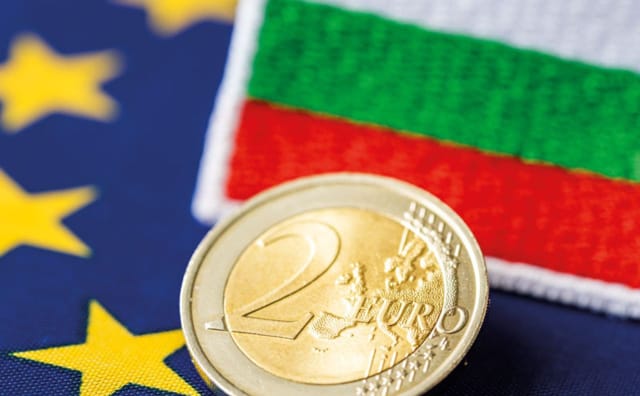
Yabancı Medya: Bulgaristan Kargaşaya Rağmen Euro'ya Katıldı ve İmajından Daha Güçlü Bir Ekonomi Ortaya Çıkardı
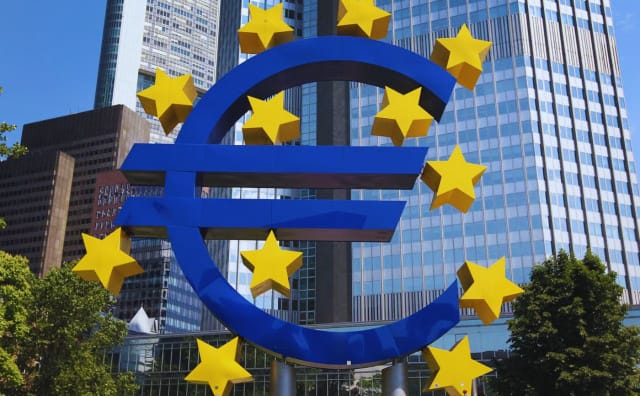
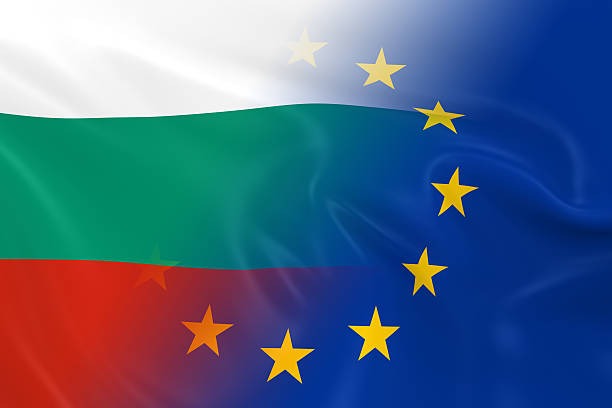
Bulgaria entered the eurozone on January 1, completing the final major stage of its long integration into Western political and economic structures, writes FAZ. After joining NATO in 2004, the European Union in 2007 and the Schengen area in 2025, the adoption of the euro marks the last institutional step in that process for the Balkan country of around 6.5 million people.
Despite its modest image abroad, Bulgaria’s economic fundamentals are stronger than often assumed. Public debt remains exceptionally low by European standards. According to European Commission data, in 2025 it stood at 28.5 percent of GDP, one of the lowest levels in the euro area. By comparison, Germany’s public debt exceeds 63 percent of GDP, while in much of the eurozone it is well above 80 percent. The budget deficit is also contained, at 1.9 percent in the most recent reporting period, significantly below Germany’s 4.8 percent. Inflation has been more volatile in recent years, largely reflecting sustained economic growth rather than structural instability.
Although Bulgaria still ranks last in the EU in terms of GDP per capita and average wages, it has been steadily narrowing the gap since joining the Union 18 years ago. Economic growth has been consistent over a long period, with GDP expanding by around 3 percent last year, according to European Commission estimates. A similar growth rate is expected during Bulgaria’s first year inside the eurozone, indicating continuity rather than disruption.
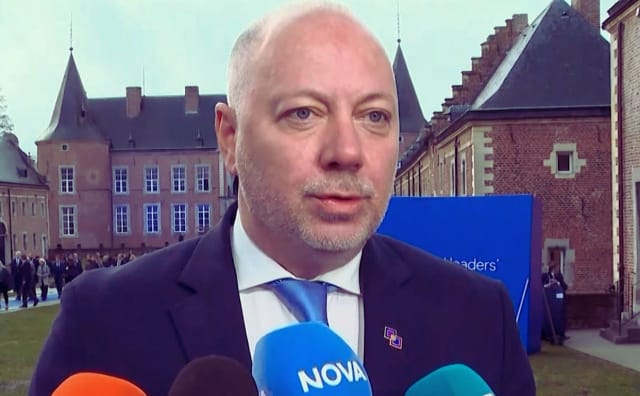
While the economic picture is relatively stable, the political environment remains deeply unsettled. In mid-December, the coalition government resigned following mass protests. Prime Minister Rosen Zhelyazkov and his cabinet remain in office in a caretaker capacity, but their mandate is widely seen as nearing its end. Although the formation of a new parliamentary majority is theoretically possible, it appears unlikely. Failure of three consecutive attempts would trigger early elections in the first half of 2026, potentially the eighth parliamentary vote since 2021.
The collapse of the government was rooted in long-standing fragility. The coalition brought together three ideologically distant parties and lacked its own parliamentary majority, relying instead on the tolerance of the group led by businessman and media figure Delyan Peevski, one of the most controversial figures in Bulgarian politics. Public anger intensified after the presentation of the 2026 draft budget, which proposed higher taxes and fees alongside sharp increases in public-sector wages. Many critics saw this as an attempt to secure loyalty within the state administration at the expense of society at large, further fueling protests.
Even after the government withdrew the draft budget, demonstrations continued, developing momentum of their own. Zhelyazkov, closely associated with former long-serving prime minister Boyko Borissov, was ultimately forced to resign. Yet few observers expect new elections to fundamentally alter the political landscape, given the extreme fragmentation of parliament. One potential unknown is President Rumen Radev, the country’s most popular politician according to opinion polls. As his second and final term ends, speculation persists that he may launch his own political party. Whether such a move would bring lasting stability remains uncertain, especially given the failure of similar efforts by former president Georgi Parvanov.