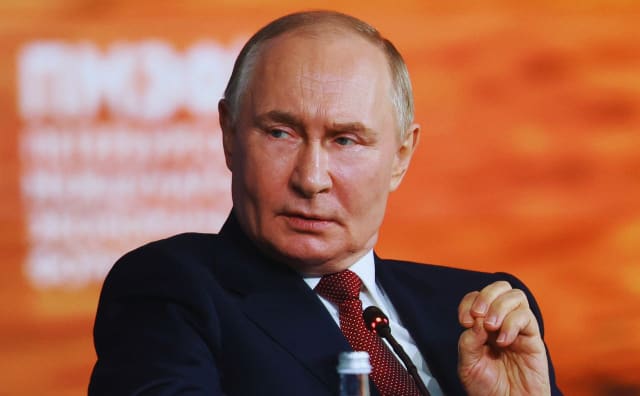
Putin, Görüşmelerin Başarısız Olması Halinde Zorla Daha Fazla Bölgeyi Ele Geçirmekle Tehdit Ediyor - ABD Yaptırımlarla Tehdit Ediyor
Russian President Vladimir Putin has once again said that Moscow would prefer a diplomatic solution to the war in Ukraine, while warning that Russia is prepared to continue expanding its control by force if talks do not produce what he described as a “substantive dialogue”. Speaking at a meeting of the board of the Russian Defence Ministry, quoted by the Kremlin-aligned agency RIA Novosti, Putin repeated that diplomacy remains his preferred option but framed military action as an alternative should negotiations fail.
According to Putin, Russia aims to address what it calls the “root causes” of the conflict through talks, yet he stressed that if Ukraine and its international partners refuse serious negotiations, Moscow will pursue its objectives through military means. He again referred to plans to “liberate historical lands” and to establish and gradually expand a so-called security buffer zone along Ukraine’s borders.
Putin said Russia would rather resolve the conflict through diplomatic channels, but added that if the opposing side and its foreign backers reject dialogue, Moscow will continue to advance militarily and implement the buffer zone concept step by step. This narrative has been a recurring theme in his recent public statements.
In recent weeks, the Russian leader has repeatedly outlined conditions he claims would end the fighting. On 27 November, he argued that hostilities would stop if Ukrainian forces withdrew from areas of the Donbas currently under their control. He has also stated that he sees little value in negotiating directly with Ukrainian President Volodymyr Zelensky, instead favouring talks with what he described as key international actors. Putin has further insisted that any negotiations with the United States must include legal recognition of Crimea and the Donetsk and Luhansk regions as Russian territory.
International reactions remain sceptical. French Foreign Minister Jean-Noël Barrot has said that ending the war is achievable, but identified Putin’s imperial ambitions as the main barrier. On 1 December, Putin reportedly visited a Russian command post and again spoke about creating a security zone along the Ukrainian border. Ukraine’s Center for Countering Disinformation warned that Russia is likely to intensify pressure along the frontline in the coming weeks, accompanied by strong rhetoric, and rejected claims that Russian forces had captured the town of Vovchansk.
Further statements from Moscow have added to the tension. On 2 December, Putin claimed Russia would be ready “at a moment’s notice” if Europe decided to fight. Days later, on 11 December, Russian Foreign Minister Sergei Lavrov said Moscow had no intention of attacking Europe and was willing to formalize this position in a written legal document.
The idea of a buffer zone has been repeatedly raised by the Kremlin. In May, Putin informed senior officials that a decision had already been taken to create such a zone along the Ukrainian border. Ukraine’s Foreign Ministry responded that these remarks only confirmed Russia’s role as the main obstacle to peace. In August, Reuters reported that Putin was unlikely to accept an ultimatum from US President Donald Trump aimed at accelerating peace efforts, citing his confidence in Russia’s military capabilities.