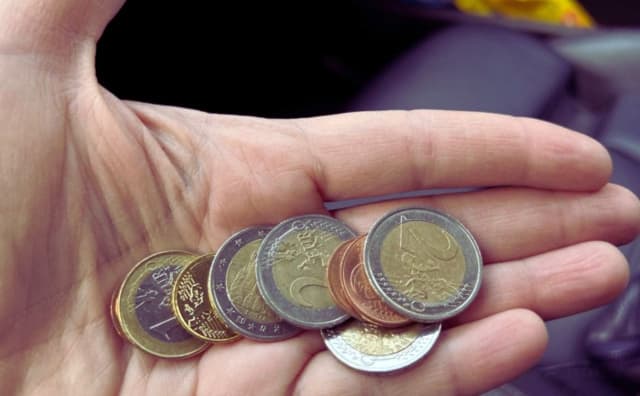
Bulgaristan'daki Büyük Perakende Zincirleri Geçiş Sorunsuz Devam Ederken Euro ile Faaliyetlerine Başlıyor
Large retail chains across Bulgaria reopened this morning following the public holiday, already operating under the new dual-currency rules after the country’s entry into the eurozone. Big stores are accepting payments both in leva and euros and are returning change in euros where required. So far, no irregularities or technical problems have been reported. Retailers say they are sufficiently stocked with starter euro packages, allowing them to give change smoothly. The only potential difficulty could arise if customers pay with large leva banknotes for small purchases, which may complicate change in euros.
Shopping in major chains has so far been calm. Staff have undergone training to work with updated software systems, and companies have assured that additional euro packages will be delivered promptly if supplies run low, eliminating the need for merchants to queue for cash. Large retailers had pre-declared their currency needs and say they are well prepared for the transition. By contrast, smaller neighborhood shops face greater challenges, as many lack starter euro packages. In some areas, this has led to temporary closures or difficulties in day-to-day trade.
The Consumer Protection Commission has also reported a calm situation in the first days after the euro’s introduction. Acting chairman Alexander Kolyachev told Bulgarian National Television that no serious violations have been registered so far, although inspections will be stepped up until August 8. Checks are continuing to prevent unjustified price increases, and consumers have been urged to shop attentively.
Kolyachev explained that the period of dual circulation will last one month. The Commission’s hotline has received only isolated complaints, mostly involving refusals to accept either euros or leva. Overall, the number of signals remains low. The Commission plans to increase its on-site presence, working jointly with the National Revenue Agency under a strict inspection schedule that will remain in force until the end of the dual-currency period in early August.
Refusing a legal means of payment is subject to sanctions, Kolyachev said, although such cases can be difficult to prove because no transaction takes place. If inspectors from the revenue agency are also refused service, penalties stipulated by law will apply. He reiterated that merchants are not allowed to give mixed change, partly in euros and partly in leva. If this happens, customers have the right to cancel the purchase or report the case to the Consumer Protection Commission, either by phone, through the mobile application, or in person. At the same time, customers are allowed to pay using a combination of leva and euros if they do not have sufficient cash in a single currency. There is also a legal limit of up to 50 coins per payment.
For online shopping and product returns, the euro is now the main reference currency. Refunds are processed in euros, with amounts converted at the official exchange rate. As for price labels, there is no legal requirement on whether prices must be shown first in leva or euros. Traders may choose the order, provided both currencies are displayed in the same font and color and do not mislead consumers.