Trump Grönland ve Tarifeler Konusunda Geri Adım Atarak Avrupa ve NATO'yu Netlik Arayışından Çıkardı
Donald Trump’s sudden announcement that a “framework of a future deal” on Greenland had been reached triggered relief on financial markets and a pause in looming tariff threats, but it was met with deep scepticism in Greenland itself and caution across Europe and NATO. After weeks of escalating rhetoric that had pushed transatlantic relations to the brink, the US president appeared to step back from his most confrontational stance, even as major questions about sovereignty and substance remained unanswered.
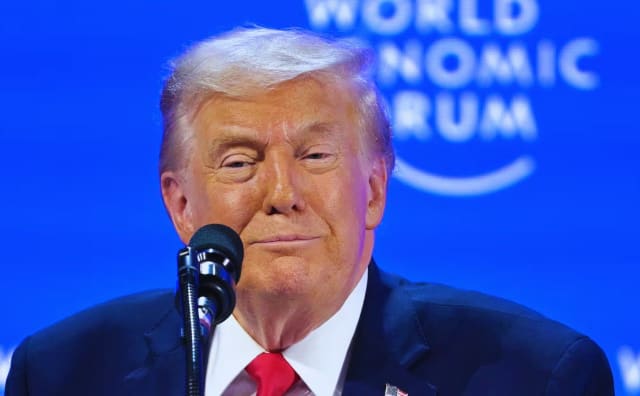
Speaking at the World Economic Forum in Davos, Trump reiterated that he wanted Greenland, explicitly referring to “right, title and ownership”, yet ruled out the use of military force. Hours later, he posted on social media that a framework agreement had been formed following talks with NATO Secretary General Mark Rutte and announced that tariffs planned against eight European countries would not go ahead. He later described the outcome more vaguely as “a concept of a deal” in comments to CNBC.
European leaders largely welcomed the de-escalation. Danish Foreign Minister Lars Løkke Rasmussen said the day had “ended better than it started” and called for calm discussions to address US security concerns in the Arctic while respecting Denmark’s red lines on sovereignty. Italy’s Prime Minister Giorgia Meloni also greeted Trump’s move positively, while NATO’s Rutte struck a more guarded tone, warning that significant work still lay ahead.
Despite the fanfare, details were scarce. Rutte said the question of whether Greenland would remain part of the Kingdom of Denmark had not been discussed, and a NATO spokesperson later stressed that no compromise on sovereignty had been proposed. Trump himself offered little clarity, apart from saying talks were continuing on a US missile defence project, dubbed the “Golden Dome”, that could partly be based in Greenland.
Reports in several international media outlets suggested that the informal framework might allow the United States to exercise sovereignty over limited areas hosting military bases, such as the Pituffik base in northern Greenland, with possible scope for additional sites in the future. Comparisons were drawn with British sovereign base areas in Cyprus. Other reports claimed the US could gain expanded rights to mine rare earth minerals and even a right of first refusal on investments in Greenland’s mineral sector, aimed at blocking Russian and Chinese involvement.
These ideas provoked strong reactions in Denmark and Greenland. Danish MP Sascha Faxe criticised the talks as little more than “two men having a conversation”, arguing that no agreement was legitimate without Greenland’s direct participation. Greenlandic MP Aaja Chemnitz Larsen said suggestions that NATO or external actors could decide on the island’s sovereignty or resources were “completely out of the question”. On the streets of Nuuk, residents interviewed by AFP expressed outright distrust, with one calling Trump’s claims a lie and another insisting that “Greenland belongs to the Greenlanders”.