
AB Anında Ödeme Reformlarını Başlatırken Bulgaristan Euro'ya Geçişe Hazır Olduğunun Sinyalini Verdi
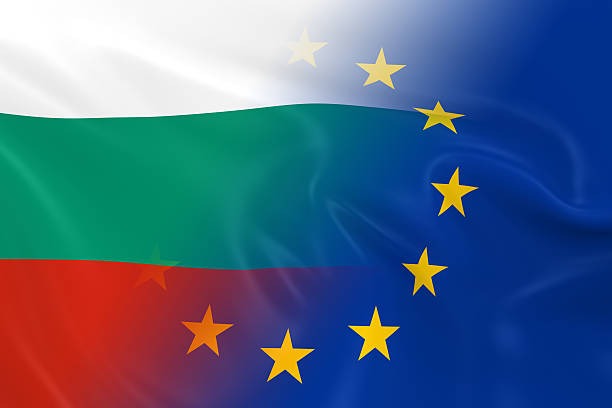
The Bulgarian government under Prime Minister Rosen Zhelyazkov says the country is fully prepared for the switch from the lev to the euro on 1 January 2026, having finalised key legislative and operational steps. Meanwhile, the European Commission (EC) has rolled out new rules enabling pan-European instant euro payments from October 2025, designed to make transfers faster and safer across the euro area. With both developments converging within months, Bulgaria’s transition is positioned to align with broader payment modernisation across the EU and coincide with a newly standardised system of real-time euro transfers.
Transition Mechanics and Consumer-Business Implications
The Bulgarian authorities say that all major preparatory elements are in place for the currency switch. According to the Bulgarian National Bank and the Ministry of Finance, dual-currency pricing (lev and euro) has already been introduced, a public awareness campaign is running, and business systems are being aligned ahead of the cut-over date.
Several sectors are tracking the change not only for pricing clarity, but also for reduced friction in small-value transactions and digital services. This includes online leisure platforms such as subscription-based streaming apps, mobile gaming marketplaces, and live event ticketing sites, where the shift to a single currency removes conversion fees for users across borders. Low-threshold platforms, too, such as casinos with 10 minimum deposit, stand to benefit from unified euro payments, as customers avoid lev-to-euro recalculation when funding accounts, and operators can streamline their internal accounting. For players, these low-deposit sites offer a way to try real-money entertainment across thousands of games and enjoy generous bonuses like welcome rewards, free spins, and cashback offers, without committing to large balances upfront.
On the regulatory side, Bulgaria met all five convergence criteria in the June 2025 convergence report from the European Commission and the European Central Bank. On 8 July 2025, the Council of the EU formally adopted the legal acts enabling Bulgaria’s entry into the euro area from January next year.
Instant Euro Payments: EU Rulebook Comes Into Force
Beginning 9 October 2025, new EU rules require banks and payment service providers across the eurozone to offer instant transfers in euro, 24 hours a day, every day of the year. Transfers must arrive within 10 seconds, and fees for instant payments may not exceed those for standard credit transfers. The infrastructure is powered by the SCT Inst scheme and the ECB’s TIPS settlement layer. The timing is seen as favourable for Bulgaria, whose banks will adopt euro payments while simultaneously onboarding the new instant-transfer norms.
What the Euro Switch Means for Bulgaria’s Economy