
SON DAKİKA: Bulgaristan Cumhurbaşkanı Yaklaşan Seçimlerde Aday Olmak İçin İstifa Etti (GÜNCELLENDİ)
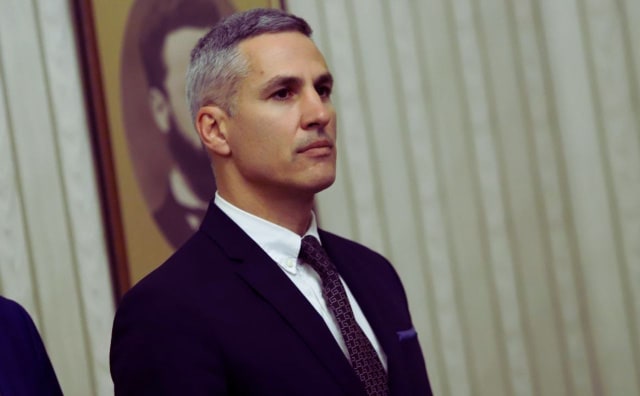
In a landmark address to the nation, President Rumen Radev announced that he will resign from his post before the Constitutional Court in order to participate in the upcoming elections.
Further reading: Who Is Iliyana Yotova: Bulgaria’s First Female President
For weeks, speculation has swirled about the president’s potential resignation and plans to lead a political project in the elections. Last month, Radev told the press that he would reveal a political initiative when society least expected it.
Further reading: Bulgaria After the President’s Resignation: What Comes Next Politically and Institutionally?
President Rumen Radev announced that he will submit his resignation on January 20, 2026, marking the end of his mandate and opening the way for his direct entry into active politics. The announcement came in an extraordinary address to the nation, delivered in the Hall of Arms at the Presidency in front of his secretaries and advisers.
Radev began by recalling that he was elected president for the first time nine years ago and re-elected in 2021, calling the trust placed in him “an honor and a responsibility” he sought to justify through all his actions. He reviewed a presidency marked by repeated crises, pressure on democratic institutions, and mass protests, noting that circumstances had compelled him to appoint caretaker governments seven times in order to defend the state and the public interest.
“Today is the last time I address you as president,” Radev said, asking citizens for forgiveness. He thanked them for their patience, acknowledged his mistakes, and admitted there were goals he did not manage to achieve. At the same time, he stressed that his conviction that change is possible was a central motive behind his decision to resign.
A central part of his address focused on broader questions about the state of the country. Radev asked why major national objectives such as joining Schengen and the eurozone had not resulted in stability or public confidence. He questioned why voter turnout has collapsed, why trust in the media and justice has eroded, why people have repeatedly taken to the streets, and why many Bulgarians feel poor and insecure despite formal European integration.
“The answer lies in the vicious governance model,” he said. According to Radev, it imitates democracy but functions through oligarchic mechanisms. Politics, he argued, takes place outside institutions, while real decisions are made by “puppeteers” who openly issue instructions to the National Assembly, seize parties, businesses, banks and media, and use power against political opponents. In his words, discredited politicians and their networks trade the national interest for personal survival and indulgence, even risking the peaceful life of Bulgarians amid a dangerous war near the country’s borders.