OECD: Güçlü Tüketim ve Artan Gelirler Bulgaristan'ın GSYİH'sını Doğru Yolda Tutuyor
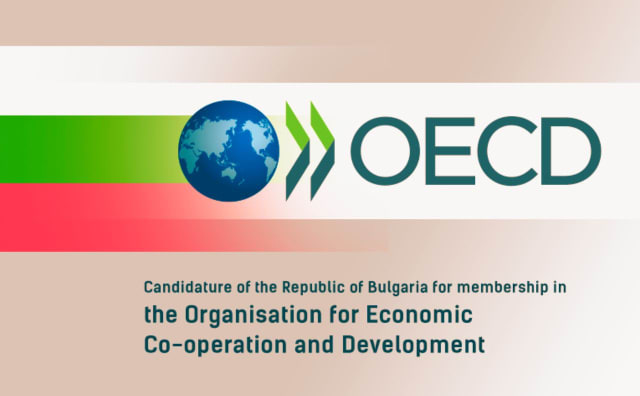
The latest assessment from the Organisation for Economic Co-operation and Development suggests that Bulgaria will maintain solid economic momentum this year, with GDP expected to rise by around 3 percent. According to the OECD’s new Global Economic Prospects report, growth will moderate in the following years, easing to 2.6 percent in 2026 and to 2.4 percent in 2027.
The analysis highlights that household spending and public-sector consumption will remain the main engines of economic expansion. Investment activity is also expected to hold up, supported by remaining EU-funded projects and stronger investor confidence linked to Bulgaria’s adoption of the euro in 2026. Exports should evolve in line with demand trends in major European markets.
At the same time, the OECD notes that headline inflation has edged higher due to wage increases, the return of standard VAT rates and rising utility costs. The expectation is that price pressures will gradually ease as income growth cools. Even so, the organisation warns that if wages continue to rise rapidly, the disinflation process could be prolonged.
The report stresses that the sharp increases in pensions, public-sector pay, social transfers and capital expenditure, coupled with lower-than-anticipated budget revenues, may force adjustments to ensure that the deficit stays within the EU’s 3 percent ceiling. According to the OECD, a moderate consolidation path combined with directing more public resources toward activities that boost long-term growth would both help rein in inflation and support the broader economy.
The organisation again underlines the importance of structural reforms, particularly in areas that would ease the green transition and improve the business climate. Simplifying procedures for renewable energy development, shortening the process for grid access, and reducing administrative burdens related to business registration, licensing and utility connections would, in the OECD’s view, have a positive impact on investment.
According to the flash estimate cited in the report, Bulgaria’s economic performance strengthened in the third quarter of 2025, with GDP expanding by 3.2 percent year-on-year. Household and government consumption remained the primary contributors to this growth, supported by rising real incomes, including increases in public-sector wages - especially in the security and defence sectors - credit expansion and social payments. Retail sales continue to rise, although at a slower pace, and investment activity has improved as EU-funded projects advance following the formation of a new government. Unemployment dropped to 3.4 percent, and the OECD expects joblessness to remain around 3 percent this year and over the next two years.
Annual inflation reached 5.3 percent in October, reflecting strong wage-driven cost pressures and solid domestic demand. A tight labour market, the indexation of minimum wages and pensions, the reinstatement of full VAT rates and higher utility prices have all contributed. With labour costs rising faster than productivity, the impact of pay increases on prices has become more pronounced.