Jelyazkov'un İstifası Haftalardır Yaşanan Huzursuzluğu Sonlandırıyor ve Bulgaristan'ın Güç Mücadelesinde Yeni Bir Sayfa Açıyor
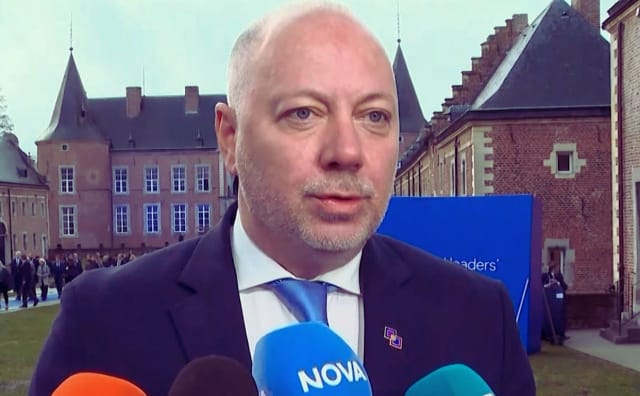
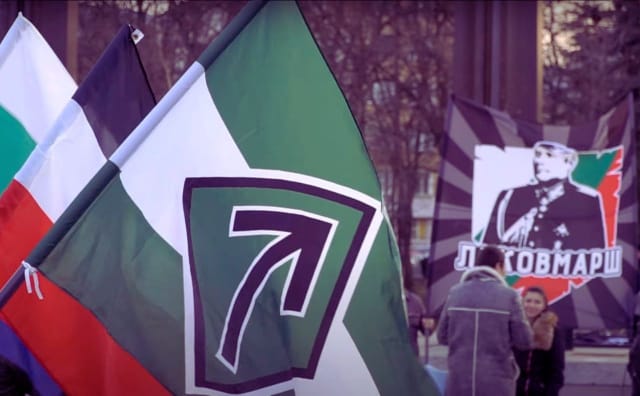
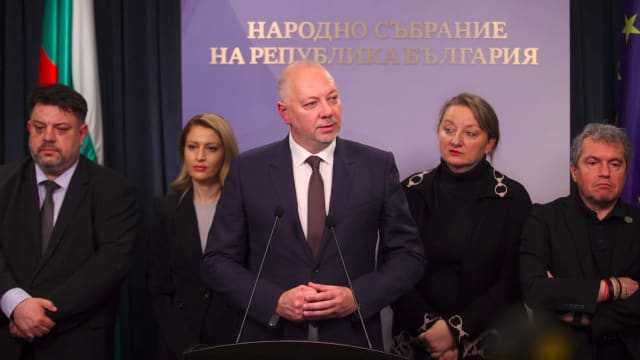
Prime Minister of Bulgaria, Rosen Zhelyazkov, announced his government’s resignation on Thursday during an unexpected press briefing, bringing an end to months of political tension and two weeks of mass demonstrations across the Balkan country. The decision came shortly after parliament postponed a scheduled vote of no confidence tabled by the opposition coalition "We Continue the Change-Democratic Bulgaria" (WCC-DB) and supported by the Alliance for Rights and Freedoms (APS) and "Morality, Unity, Honor" (MECH).
The no confidence vote was set for 1:30 p.m., but a thirty minute break was requested by "There Is Such a People" (TISP). Zhelyazkov (GERB) spoke soon after, saying the resignation was a direct response to the public pressure that had grown steadily since early November.
According to him, the protesters represented a broad cross section of Bulgarian society, and their shared demand for the government to step down had become impossible to ignore. He described the demonstrations as a reaction to arrogance in power, insisting they were not driven by social grievances but by a sense of violated public values.
Minutes after the resignation was delivered in parliament, Speaker Raya Nazaryan put to a vote the no confidence motion submitted on Friday. It failed, with 106 votes in favor and none against or abstaining. The resignation still requires formal approval in the National Assembly. If accepted, President Rumen Radev will begin a new round of consultations with the political parties in order to assign the first mandate for forming a government to GERB. Should GERB fail, the second mandate would go to WCC-DB, while the third would be given at the president’s discretion.
The protests erupted following the introduction of the 2026 draft budget, which was later withdrawn. It proposed higher taxes and social security contributions for the private sector, as well as increased public spending. Although the government reversed course, demonstrations intensified and broadened into calls for a complete shift in Bulgaria’s governance model.
Zhelyazkov’s government had been in office since early 2025 with backing from GERB, BSP, TISP and Ahmed Dogan’s political group. Dogan’s withdrawal of support, accompanied by accusations that GERB was acting in the interest of Delyan Peevski, changed the balance in parliament. Peevski (DPS-New Beginning) repeatedly said he would continue supporting the cabinet until the end of its term.
A Market Links survey released earlier Thursday indicated that the protests were affecting public support for GERB. According to the poll, 81 percent of Bulgarians believed the demonstrations were targeting the leadership of DPS-New Beginning and GERB, represented by Delyan Peevski and Boyko Borissov, who have both faced corruption sanctions. Eighty two percent of respondents favored a change in the country’s governance model.