
Cumhurbaşkanı Radev'in Sürpriz İstifası Sonrası Bulgaristan'da Tepki Dalgası
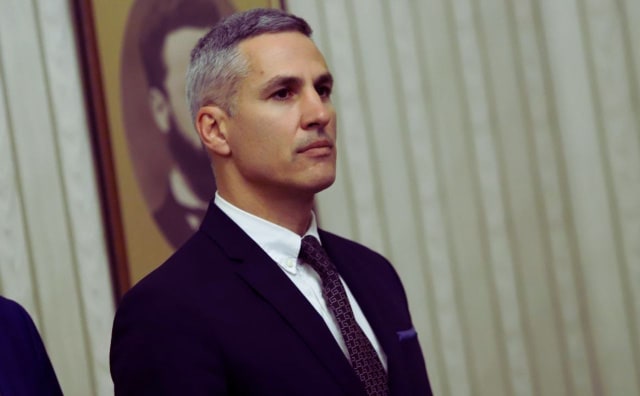
The announcement by President Rumen Radev that he will step down from office and enter active politics triggered an immediate and wide-ranging political response across the spectrum, with parties interpreting his move both as an opportunity and as a direct challenge.
BREAKING: Bulgaria's President Steps Down to Run in Upcoming Elections (UPDATED)
From the Bulgarian Socialist Party, reactions were notably supportive. BSP MEP and outgoing member of the party’s Executive Bureau Kristian Vigenin recalled the oath-taking ceremony of Radev and Vice President Iliyana Yotova four years ago, writing that even in the darkest moments “the presidential institution remained a beacon.” He said he stood by those words today and expressed confidence that joint efforts could now achieve what previously proved unattainable. BSP-United Left leader Atanas Zafirov also welcomed Radev’s entry into parliamentary politics, arguing that it could help restore politics to its core purpose – serving citizens’ welfare. He added that BSP “has a president again” and wished success to Iliyana Yotova as she prepares to assume the presidency.
Who Is Iliyana Yotova: Bulgaria’s First Female President
“There Is Such a People” (TISP) leader Slavi Trifonov also reacted swiftly, greeting Radev’s move into party politics. Trifonov reiterated that he would continue to defend what he called traditional Bulgarian values, support Bulgarians in North Macedonia, and oppose illegal migration. He stressed that TISP positions itself clearly as a right-wing, traditionalist and conservative party.
More reserved and conditional reactions came from the “We Continue the Change-Democratic Bulgaria” (WCC-DB) coalition. MP Ivaylo Mirchev stated that his political force remains predictable and consistent, emphasizing anti-corruption reforms, economic development and Bulgaria’s firmly pro-European course. According to him, anyone seeking cooperation with WCC-DB, including Radev and any future political project he may lead, must align with two non-negotiable benchmarks: opposition to the “Peevski–Borissov” governance model and an unequivocal commitment to Bulgaria’s role in the EU and NATO. Mirchev underlined that his coalition rejects populism and insists on political responsibility, arguing that reforms require clear will and accountability.
WCC-DB co-chair Nadezhda Yordanova echoed this stance, saying that Radev’s entry into the party arena does not alter the coalition’s priorities. She stressed that the political competition now begins in earnest and that talks with any new formation would depend on its alignment with a strong pro-European agenda and a clear rejection of captured-state practices.
The leader of "Morality, Unity, Honor" (MECH), Radostin Vassilev, took a more open position, wishing Radev success and describing his actions as a potential basis for partnership. Vassilev said his party sees little chance of overcoming what it views as a harmful governance model with most of the current parliamentary actors, and therefore considers Radev’s future political initiative as a possible ally.