Bütçe Olmamasına ve Ülke Çapındaki Protestolara Rağmen Bulgar Hükümeti Hala İstifa Etmeyi Reddediyor
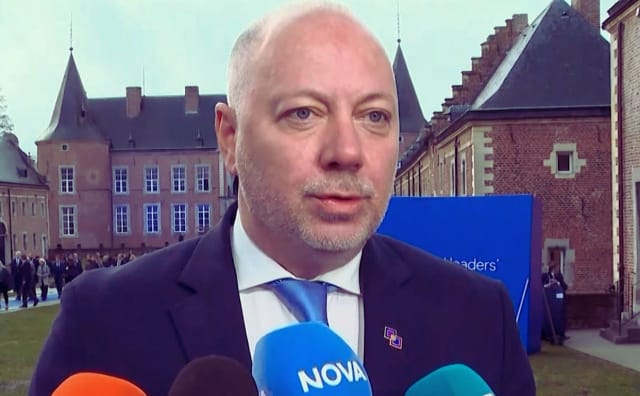
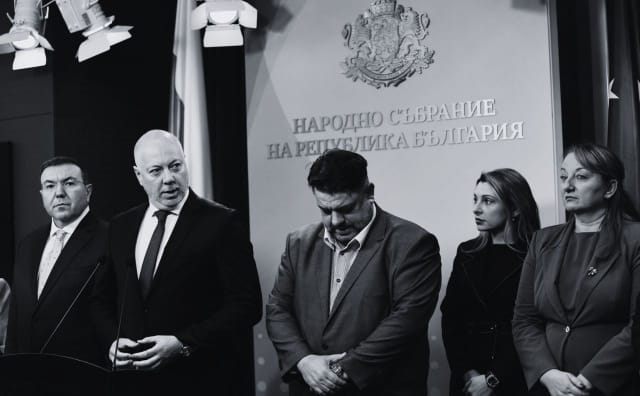
Prime Minister Rosen Zhelyazkov announced that the government is withdrawing its draft budget for 2026, but will not step down despite the mounting political pressure and the large-scale public protests that erupted across Bulgaria. He stated that the new budget procedure will continue for as long as necessary, with the intention of reviewing every proposal submitted by employers, unions, political parties and the opposition. According to him, the goal is to shape a budget after a broad and open discussion that reflects the positions of all social partners.
Zhelyazkov confirmed that the automatic increase of salaries in the public sector will be removed. The cabinet will also revisit the proposal to change the dividend tax, as well as the planned two percent rise in social security contributions. Discussions in the Ministry of Finance will be held publicly. He added that proposals that have generated significant criticism will be withdrawn, including a concession for the lottery and possible state guarantees at the Bulgarian National Bank related to a potential acquisition of Lukoil. The capital programme will be reassessed, particularly in the areas of defence and transport, while funding for municipalities will remain secured.
The Prime Minister underlined that the cabinet intends to have a state budget for 2026 adopted by the end of 2025. He also made clear that the government will not resign and is prepared to take part in a no-confidence vote requested earlier in the day by the opposition WCC-DB coalition. Zhelyazkov argued that in the weeks before the introduction of the euro, the authorities cannot abandon their responsibilities. He acknowledged the mistake of not entering into timely negotiations with businesses and unions, and reiterated that the draft budget is being withdrawn for this reason.
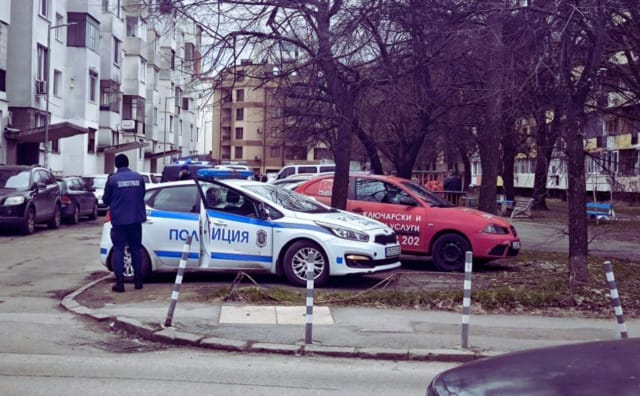
Zhelyazkov described the ongoing protests as largely social and civic in nature rather than political, saying they reflect a demand for more dialogue, fairness and respect. He said he supported the concerns of the many young people who have joined the demonstrations, stressing that they are searching for their place in Bulgaria, and that the state is obliged to respond. He pointed out that some of the violence seen on Monday night did not come from participants in the main protest, but from provocateurs aiming to provoke confrontation with the police and destabilize the situation.
Despite this, the Prime Minister insisted that the protests were not partisan, even if some political groups were trying to take advantage of them. He stressed that the months ahead are crucial for Bulgaria’s political direction. Completing the adoption of the euro, in his words, is a fundamental step in the country's long process of full integration into the European Union. He warned that various forces are attempting to divert Bulgaria from this path. After more than twenty years of EU membership, he said, the country is now close to finalizing this process and cannot afford to fail just weeks before the deadline.